AI in Education
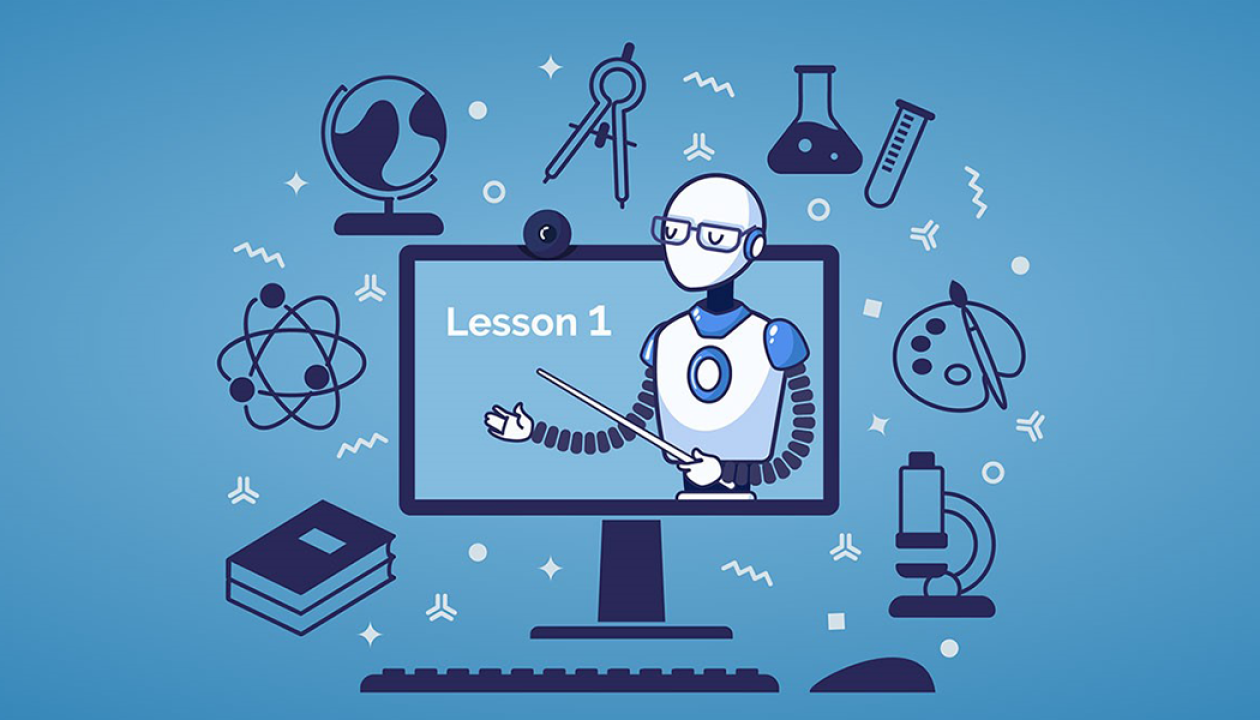
AI is increasingly shaping the educational landscape by facilitating tailored learning experiences. Its ability to analyze student data allows for personalized pathways, fostering engagement and autonomy. Moreover, AI enhances administrative functions, making processes more efficient. However, the integration of AI also presents ethical dilemmas and privacy concerns that warrant careful consideration. Understanding these complexities is essential as educators navigate the evolving role of technology in academic environments. What implications might this hold for future educational practices?
The Role of AI in Personalized Learning
As educational landscapes evolve, the integration of artificial intelligence (AI) into personalized learning has emerged as a transformative force.
AI facilitates adaptive learning, allowing educators to craft individualized pathways tailored to each student’s unique needs. This technology empowers learners, fostering autonomy and engagement, while equipping them with the tools necessary to thrive in diverse environments.
The promise of AI lies in its capacity to revolutionize education.
Enhancing Administrative Efficiency With AI
Harnessing AI technologies in educational administration streamlines processes and enhances operational efficiency.
By optimizing data management, institutions can analyze student and resource information effectively, leading to improved decision-making.
Furthermore, AI-driven tools facilitate better resource allocation, ensuring that educational resources are utilized where they are most needed.
This technological integration empowers administrators, fostering an environment conducive to innovation and progress in educational settings.
AI-Driven Assessment and Feedback Mechanisms
While traditional assessment methods often struggle to provide timely and personalized feedback, AI-driven assessment and feedback mechanisms present a transformative solution for educators and learners alike.
By utilizing automated grading systems, these innovative tools enable real-time feedback, allowing students to engage with their progress dynamically.
This approach fosters a more adaptive learning environment, empowering individuals to take charge of their educational journeys effectively.
Challenges and Considerations in AI Integration
The integration of AI in education, particularly in assessment and feedback mechanisms, brings forth a range of challenges and considerations that educators must navigate.
Key issues include ethical implications surrounding decision-making biases and the necessity of ensuring data privacy for students.
Educators must balance innovation with responsibility, fostering an environment where AI enhances learning while safeguarding individual rights and maintaining trust.
Conclusion
As AI weaves its intricate patterns into the fabric of education, it illuminates pathways to personalized learning and operational efficiency, akin to stars guiding travelers through a night sky. Yet, this technological constellation casts shadows of ethical dilemmas and privacy concerns that must be navigated with care. To fully harness the transformative power of AI, stakeholders must embrace a balanced approach, ensuring that innovation flourishes while safeguarding the sanctity of the educational journey.